Loading...
Serving Airway Heights, WA and surrounding areas. (509) 418-0412
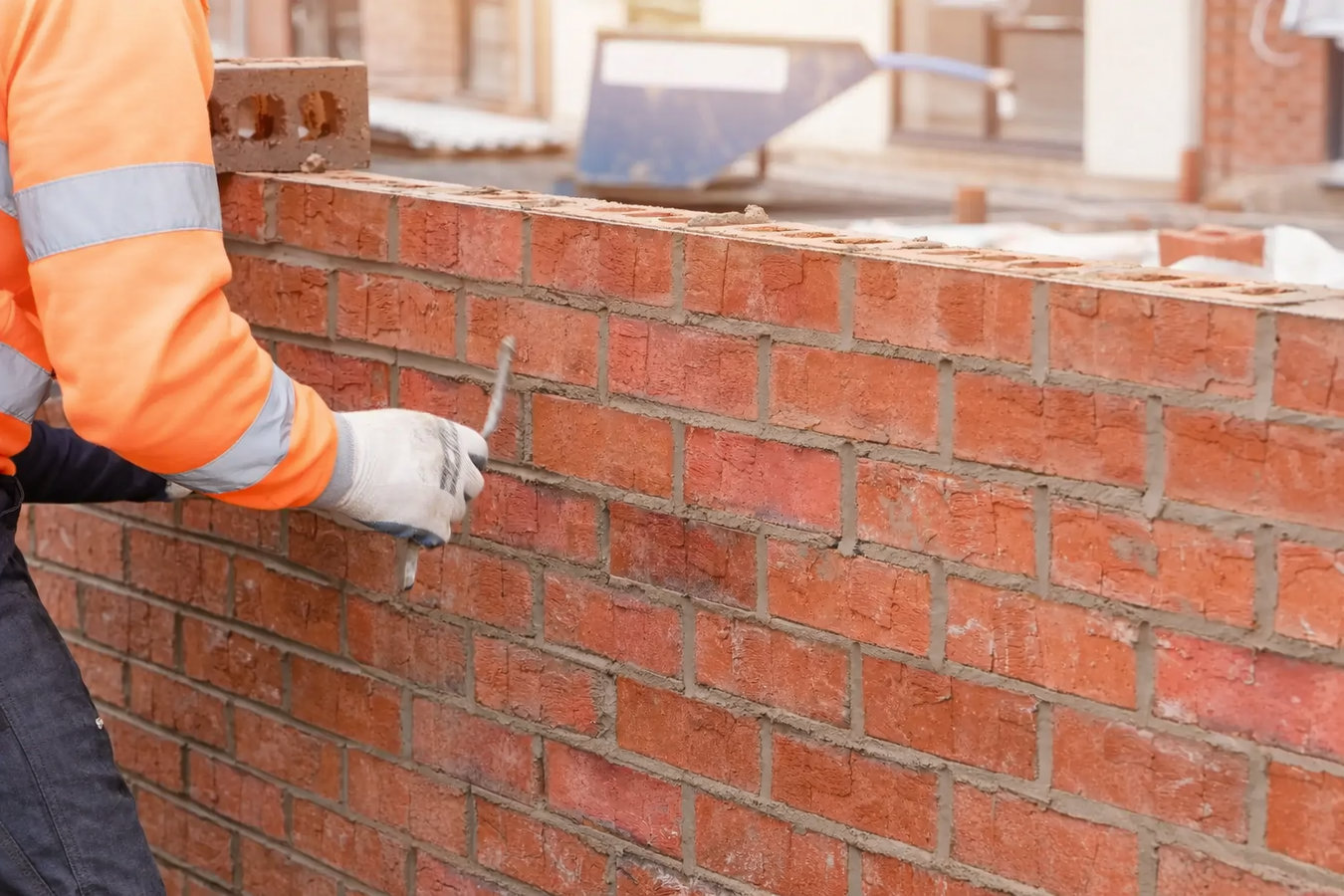
Worn mortar joints let water in, and Airway Heights winters turn small cracks into big repairs. We remove the old material, pack in fresh mortar, and color-match the results so your home looks right.
Brick pointing in Airway Heights removes old, deteriorated mortar from the joints between bricks and replaces it with fresh material - a chimney repoint typically takes one to two days, while a full exterior wall section can take three to five days depending on condition and size.
Those mortar joints do a quiet but critical job: they stop rain, snowmelt, and cold air from getting inside your walls. When they wear down, water finds a way in - and water inside a brick wall in Airway Heights leads to damage that costs far more than the pointing would have. Many homeowners in the area have homes built in the 1950s through 1970s, where the original mortar is now several decades old and the freeze-thaw cycles here have been working on it every winter.
Pointing is closely related to masonry restoration - if the underlying bricks are also damaged, a more complete restoration may be the right approach.
White, chalky deposits running down your brick face - especially after the dry summer ends - mean water is moving through the wall and carrying minerals out as it dries. In Airway Heights this commonly appears in September and October. It means water is finding a way in, and the mortar joints are the most likely entry point.
Press firmly on a few mortar joints with your thumb. Healthy mortar feels hard - like pressing on concrete. If the material crumbles, flakes off, or feels sandy and loose, it has lost its strength. This kind of deterioration is common on Airway Heights homes built in the 1950s through 1970s, where the original mortar is several decades old.
Stand back from your home and look at the mortar lines between bricks. If you can see gaps, dark voids, or cracks running along the joints - even small ones - water is already getting in. In Airway Heights winters, those gaps widen a little more with each freeze-thaw cycle until the joint fails.
When mortar fails and water gets into the wall repeatedly, it eventually damages the bricks themselves. Chipped faces, flaking surfaces, or small chunks missing from bricks are signs moisture has been freezing inside the material. At this stage, pointing alone may not be enough - but a mason can assess whether the bricks can be saved.
Our brick pointing work covers chimneys, exterior walls, garden borders, and any masonry surface where the mortar joints have deteriorated. We use a small angle grinder or hand chisel to remove old mortar to the right depth - roughly three-quarters of an inch - then pack fresh mortar in by hand, shaping each joint to match the original profile. Color matching is part of every job. New mortar that looks obviously brighter or darker than the surrounding wall is a sign of either the wrong mix or rushed work. We take time to match what is already there so the finished result looks well-maintained, not patched.
We also handle foundation repair when water intrusion from failed joints has reached the foundation level, and masonry restoration when the damage extends beyond the joints to the bricks or blocks themselves. A single assessment visit tells you which service you actually need.
Best suited for chimneys that have not been inspected in five or more years, especially on homes built before 1990 where the original mortar is now aging.
Right for homes where the mortar on a full wall section has reached the end of its useful life and needs to be replaced before further water damage occurs.
Good fit for walls where only certain sections or joints have failed, rather than the whole surface - a cost-effective approach when the damage is localized.
Part of every job we do - we match the mortar tint and texture to the surrounding wall so the finished result looks consistent, not obvious.
Airway Heights sits at roughly 2,400 feet elevation on the Spokane Plateau, where winter temperatures swing above and below freezing repeatedly from November through March. Every time water trapped in a cracked mortar joint freezes, it expands and pushes the joint a little wider. This happens dozens of times each winter, which means mortar joints on Airway Heights homes deteriorate faster than in milder climates. The working window for this kind of repair is genuinely short - mortar cannot be applied safely when temperatures drop below 40 degrees or when frost is expected overnight, which limits the season to roughly late April through October.
Housing in Airway Heights includes a significant share of homes built between the 1950s and 1980s, when Fairchild Air Force Base drove residential growth in the area. Mortar from that era is now 40 to 70 years old - well past its typical lifespan in this climate. We serve homeowners throughout Airway Heights and nearby communities including Spokane and Cheney, where the same freeze-thaw conditions apply. Spokane-area contractors book up fast in spring, so reaching out in February or March for a May appointment is a smart move. The Brick Industry Association recommends visual inspection of mortar joints every few years to catch deterioration before it becomes expensive.
Call or send a message describing what you have noticed - crumbling joints, white streaks, a chimney that looks rough. We reply within 1 business day and schedule a free on-site visit at a time that works for you.
The mason walks around your home and checks the mortar joints closely - depth, hardness, and condition. You receive a written estimate covering scope, timeline, and cost before any work begins. No open-ended pricing.
We use a small grinder or hand tools to remove old mortar to the right depth, then pack fresh mortar in by hand and shape each joint to match the original. You will hear grinding and tapping throughout the day.
At the end of the job we clean up mortar dust and debris and walk the finished work with you. We explain what to avoid while the mortar cures - including keeping sprinklers away from fresh joints for 28 days - so the repair lasts.
Free on-site estimate. Written price before any work starts. No obligation.
(509) 418-0412New mortar that looks bright or mismatched signals either the wrong mix or rushed work - and the wrong hardness can actually crack your bricks over time by trapping moisture. We take time to match the mortar color and texture to what is already there, so the finished work blends in.
One of the biggest fears homeowners have is that the price doubles once work is underway. We do a thorough assessment before quoting you a written number. The price we give you is the price you pay - if something unexpected comes up, we tell you right away.
A large share of brick in this area comes from homes built between the 1950s and 1980s - mid-century construction where the original mortar is now several decades old and has been tested by local freeze-thaw winters every year. We have worked on homes from this era throughout Airway Heights and the surrounding Spokane West area.
Fresh mortar cannot be left exposed to a hard freeze. We schedule and complete your project during the warm-weather window - late April through October - so the mortar has time to cure fully before the first hard freeze arrives.
Washington State requires contractors to be licensed, bonded, and insured through the Department of Labor and Industries. You can verify any contractor in seconds using the L&I contractor lookup. If they are not listed, do not hire them.
When water from failed mortar joints has reached the foundation level, foundation repair addresses the structural damage before it worsens.
Learn MoreFor walls where the damage extends beyond the joints to the bricks or blocks themselves, masonry restoration handles both the material and the surface together.
Learn MoreAirway Heights contractors book up fast in spring - reach out now to lock in your date and have fresh mortar cured before the first freeze.