Loading...
Serving Airway Heights, WA and surrounding areas. (509) 418-0412
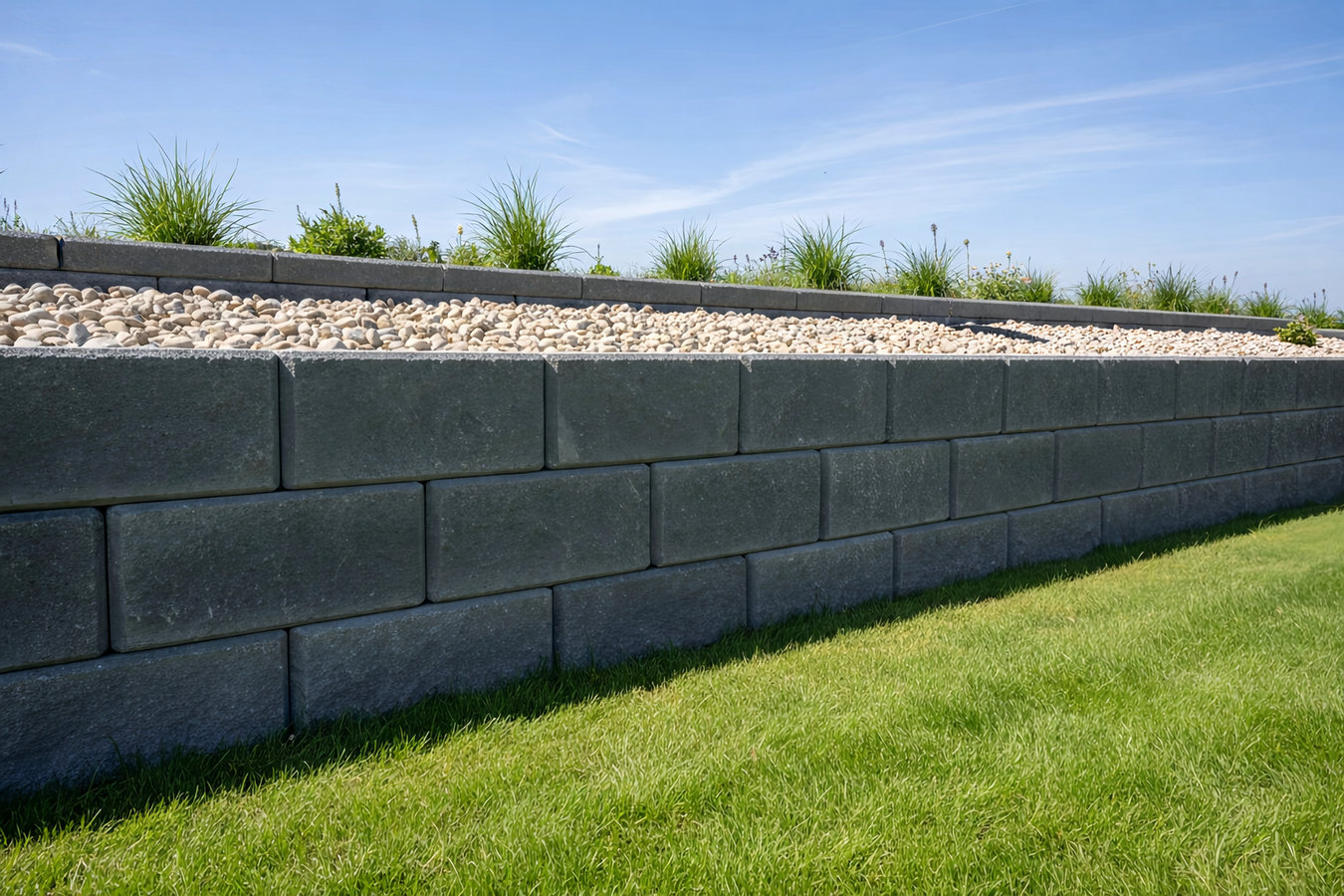
Airway Heights Concrete & Masonry is the masonry contractor Spokane Valley homeowners call for concrete block walls, retaining walls, foundation repair, and tuckpointing. We have been serving the greater Spokane area, including Spokane Valley, since 2018, and we understand the freeze-thaw conditions that hit valley-floor homes every winter.
Spokane Valley sits on glacial outwash soils that drain quickly on the valley floor but shift during hard freezes, putting stress on block structures. If you need a new concrete block wall built to handle this climate, we design with proper footings set below the local frost depth so the wall stays plumb for years.
Many Spokane Valley homes were built in the 1950s through 1980s, and their foundations have been through decades of freeze-thaw cycles. Cracks in block or poured foundations let water in, which makes the damage worse each winter - getting repairs done before freeze season closes is the most cost-effective approach.
Homes along the Spokane River corridor and in Spokane Valley neighborhoods with any grade change need retaining walls that can handle spring snowmelt pressure as well as soil movement from freeze-thaw. We build walls designed for the valley's specific soil and drainage conditions.
Older Spokane Valley homes with brick or block exteriors lose mortar over time through weathering. Crumbling mortar joints let moisture into the wall assembly, which accelerates freeze-thaw damage through the interior of the masonry. Replacing worn mortar early stops small repairs from becoming full wall replacements.
Ranch homes with flat lots - the most common setup across Spokane Valley - often have aging concrete sidewalks and front walks that have heaved from freeze-thaw cycles. We replace or install new walkways with control joints placed correctly so future freeze movement is managed instead of causing full slab failure.
Spokane Valley homes from the 1960s and 70s sometimes have brick veneer features, planters, or decorative block walls that have aged poorly in the dry summer heat and cold winters. Restoring these features is usually more cost-effective than replacing them entirely, and it keeps the original look of the home intact.
Spokane Valley sits on glacial outwash soils left behind by ancient flood events - a mix of sand, gravel, and silt that drains well on the flat valley floor but shifts as it freezes. The region goes through dozens of freeze-thaw cycles each winter, with temperatures regularly swinging above and below freezing in the same day. That repeated movement is the main reason block foundations crack, concrete driveways heave, and mortar joints deteriorate in Spokane Valley neighborhoods. A contractor who does not account for the local frost depth when setting footings is setting up a block wall or retaining structure to fail within a few years.
The housing stock adds to the picture. Most Spokane Valley homes were built between the 1950s and 1990s - ranch-style houses on slab or crawl space foundations with concrete driveways and, in some cases, brick veneer details. These homes are now old enough that original masonry components are showing their age. Newer subdivisions on the south and east edges of the valley, toward Greenacres and Liberty Lake, bring different demands: fresh flatwork, block garden walls, and drainage solutions for newer sites that have not yet reached stable grade. The city also has its own building department and permitting process - contractors who are only familiar with Spokane proper can overlook that Spokane Valley has been its own city since 2003 with its own code requirements.
Our crew works throughout Spokane Valley regularly, and we understand the local conditions that affect masonry work here. When we pull permits, we work with the City of Spokane Valley Building Division, not the City of Spokane - these are separate offices with different requirements, and we know how to navigate both.
Spokane Valley is a large city spread across about 38 square miles along the valley floor. From homes near the Spokane Valley Mall on Sullivan Road to neighborhoods closer to the Centennial Trail along the river, we have worked on properties throughout the whole city. Most of the valley's older neighborhoods run off Sprague Avenue and Appleway Boulevard - we know these areas and the housing styles typical to each corridor.
For homeowners near Millwood on the west edge of the valley, we serve that area as well. And if you are further east toward Liberty Lake or Veradale, we cover those corridors too. Our service area runs the full length of Spokane Valley and into adjacent communities.
Reach us by phone or through our contact form and describe what you are seeing - cracks, settling, a wall you need built, or mortar that is crumbling. We reply within one business day and can usually get to Spokane Valley for an assessment within the week.
We come out and look at the work in person - no guessing from photos. After the assessment, we give you a written estimate with a clear scope of work and price before anything starts. If a permit is required through the City of Spokane Valley, we factor that into the timeline and cost upfront.
Once you approve the estimate, we schedule the job around your calendar. We check weather forecasts before any mortar or concrete work in Spokane Valley - fresh material needs several days above freezing to cure correctly, and we plan around the valley's unpredictable shoulder-season weather.
We clean up the site completely before we leave and walk through the finished work with you so you can ask questions. For block wall or foundation work that required a permit, we coordinate the final inspection with the City of Spokane Valley Building Division.
We serve Spokane Valley and the surrounding communities. Free estimates, written quotes, and no pressure to commit.
(509) 418-0412Spokane Valley is one of the largest cities in Washington State, with a population of around 102,000 people spread across roughly 38 square miles east of Spokane. The city incorporated in 2003 after years as unincorporated Spokane County, and it has developed its own identity separate from the city of Spokane. The core of the city runs along Sprague Avenue and Appleway Boulevard, with CenterPlace Regional Event Center at Mirabeau Point Park serving as a community gathering hub. The Centennial Trail follows the Spokane River through the northern part of the city, and the Spokane Valley Mall on Sullivan Road anchors the commercial center. Most of the residential stock is single-family - ranch homes from the postwar era mixed with newer two-story houses in developments on the south and east edges near Liberty Lake.
About 60 percent of Spokane Valley homes are owner-occupied, which means most residents have a direct stake in keeping their properties in good shape. The median home value sits around $280,000 to $300,000, making it a working- and middle-class city where homeowners are careful about what they spend on contractors but willing to invest in repairs that protect the home long-term. The city is geographically close to Spokane and shares the same cold-winter, dry-summer climate - but Spokane Valley has its own permit office, its own code enforcement, and its own housing patterns that a contractor who only knows Spokane proper may not be familiar with. Neighboring Millwood sits directly on the western border of Spokane Valley and is part of the same service corridor we cover regularly.
Restore your home's structural integrity with lasting foundation repairs.
Learn MoreControl erosion and add structure with professionally built retaining walls.
Learn MoreTransform any surface with beautiful, durable stone veneer cladding.
Learn MoreEstablish a solid foundation with expert concrete block wall construction.
Learn MoreDesign and build safe, attractive walkways using lasting masonry materials.
Learn MoreCraft beautiful, enduring structures using natural stone and expert craftsmanship.
Learn MoreWe are based in Airway Heights and work throughout Spokane Valley year-round. Call today or submit a request and we will get back to you within one business day.